
Worcester, MA
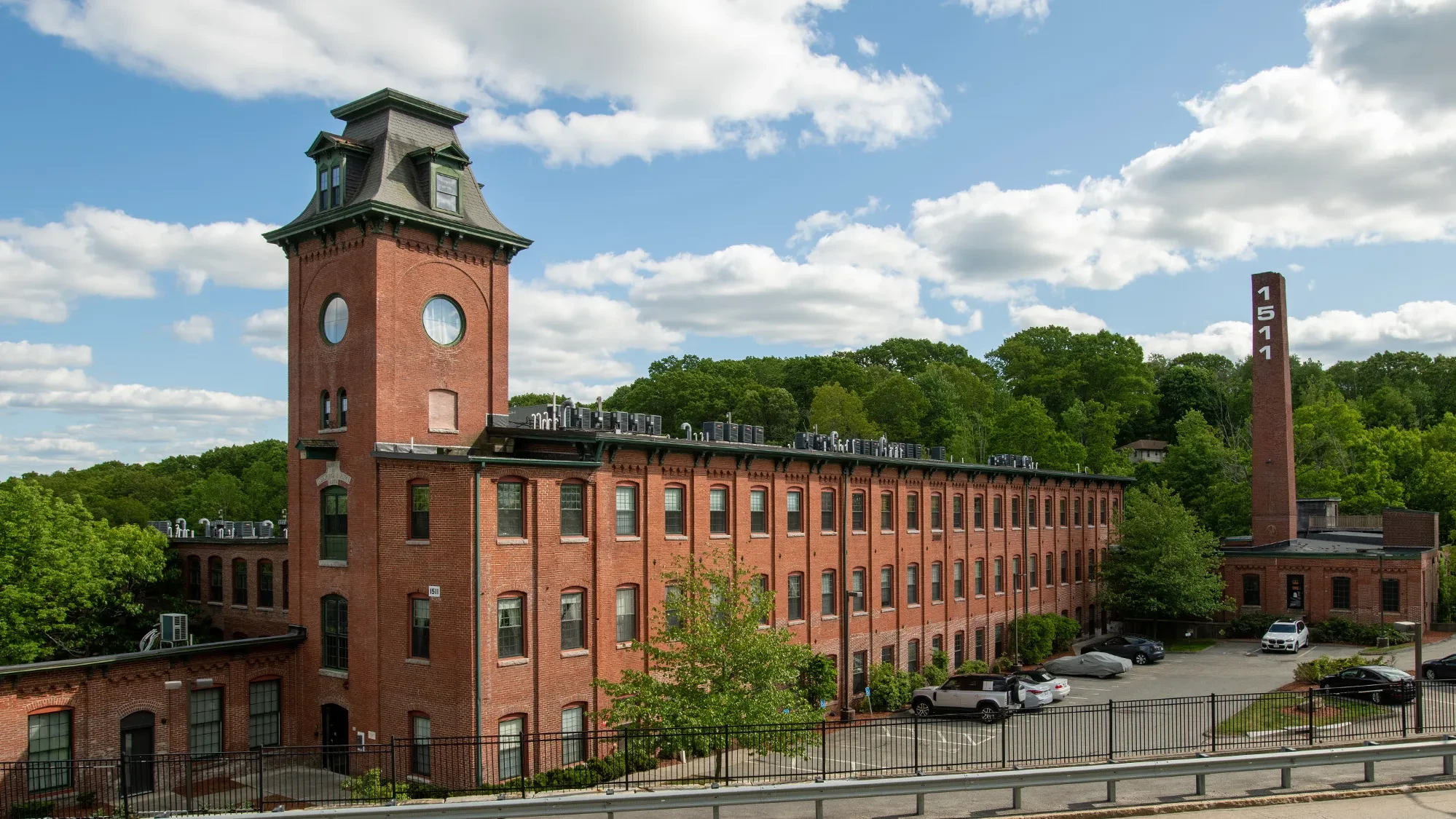
Kettle Brook Lofts
A stalled mill conversion back under construction in four weeks.
Key metrics
~50,000 SF
Across Wings A, D, and E
59
Residential Units
1870s
Original mill construction
4 Weeks
Electrical permit recovery
Services:
Restarting Construction While Planning for a Failing Electrical Service
NLS provided electrical engineering for the conversion of Wings A, D, and E of a historic mill building into 59 residential condominium units.
When NLS was engaged, construction had been stopped because the electrical permit documents were incomplete. The project also faced concerns about the condition of the existing electrical service entrance, metering equipment, and the ability to safely support the new residential units.
Restoring the Electrical Permit and Construction Schedule
NLS updated the electrical plans, completed the required calculations, coordinated with the Worcester Inspectional Services Department, and prepared the documents needed to move the project forward.
Within four weeks, NLS brought the electrical design up to permit requirements and helped restart electrical construction.
What this protected: The project avoided an extended construction stoppage while the 59-unit fit-out continued through the electrical permitting process.
Developing a Viable Replacement Strategy for the Existing Service
The building official and electrical inspector required testing and a professional recommendation regarding the deteriorating electrical service entrance in the basement.
NLS coordinated third-party electrical testing, reviewed the results, and documented that the existing service equipment was not suitable for long-term continuation of service. The equipment was affected by corrosion, water intrusion, structural settlement, obsolete ring-type meter equipment, and prior failures.
NLS coordinated with the city and National Grid to evaluate the replacement requirements, metering standards, temporary service needs, shutdown limitations, and permanent service options.
NLS recommended full replacement of the service entrance and prepared a viable plan for implementation. The 59-unit construction documents were left contingent upon completion of that replacement because the new units could not be energized safely until the service issue was resolved.
What this protected: The project team had a documented path to address the service entrance before energizing the new units, rather than treating a known electrical infrastructure risk as a future construction problem.
Have a project on the horizon?
Some of the companies and institutions we have worked with


